
Discover Cruquius Museum: Where Haarlemmermeer’s Story Begins

Murillo Florian Hotels • September 23, 2026

Water, steam, engineering and a little bit of Dutch stubbornness. Just outside Hoofddorp, you can step into one of the most fascinating chapters of Haarlemmermeer’s history at Cruquius Museum.

If you’re staying at The Florian and wondering what there is to see beyond Amsterdam, this is one of those places that makes the area around our hotel feel even more interesting. Here, you can discover how the Dutch literally reclaimed land from water, see an enormous 19th-century steam engine and learn how the Haarlemmermeer became the polder we know today.

Cruquius Museum is close by, easy to reach and can be combined with lunch, a walk, a Dutch pancake or even a round of golf.


The story starts with water

It is difficult to understand the Netherlands without understanding its relationship with water.

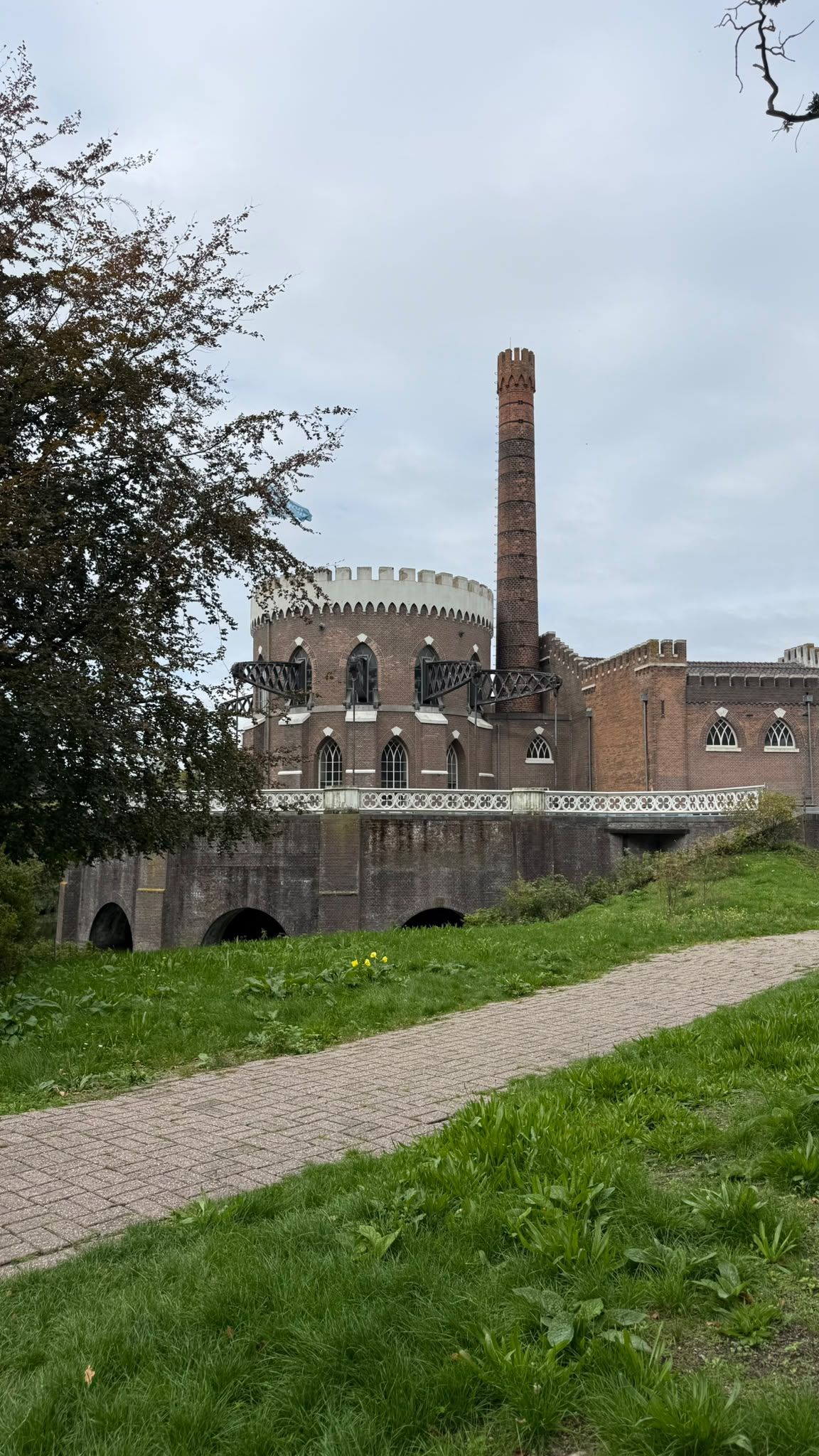
Haarlemmermeer (where our hotel is located) was once a huge lake, and the idea of draining it was an enormous engineering challenge. Work on the Ringvaart and Ringdijk began in 1840, while steam-powered pumping stations were built to remove the water. The Cruquius pumping station started operating in 1849, alongside De Leeghwater and De Lynden. By 1852, the Haarlemmermeer had been drained.

That means the ground you are walking on in much of Haarlemmermeer was once underneath a lake.

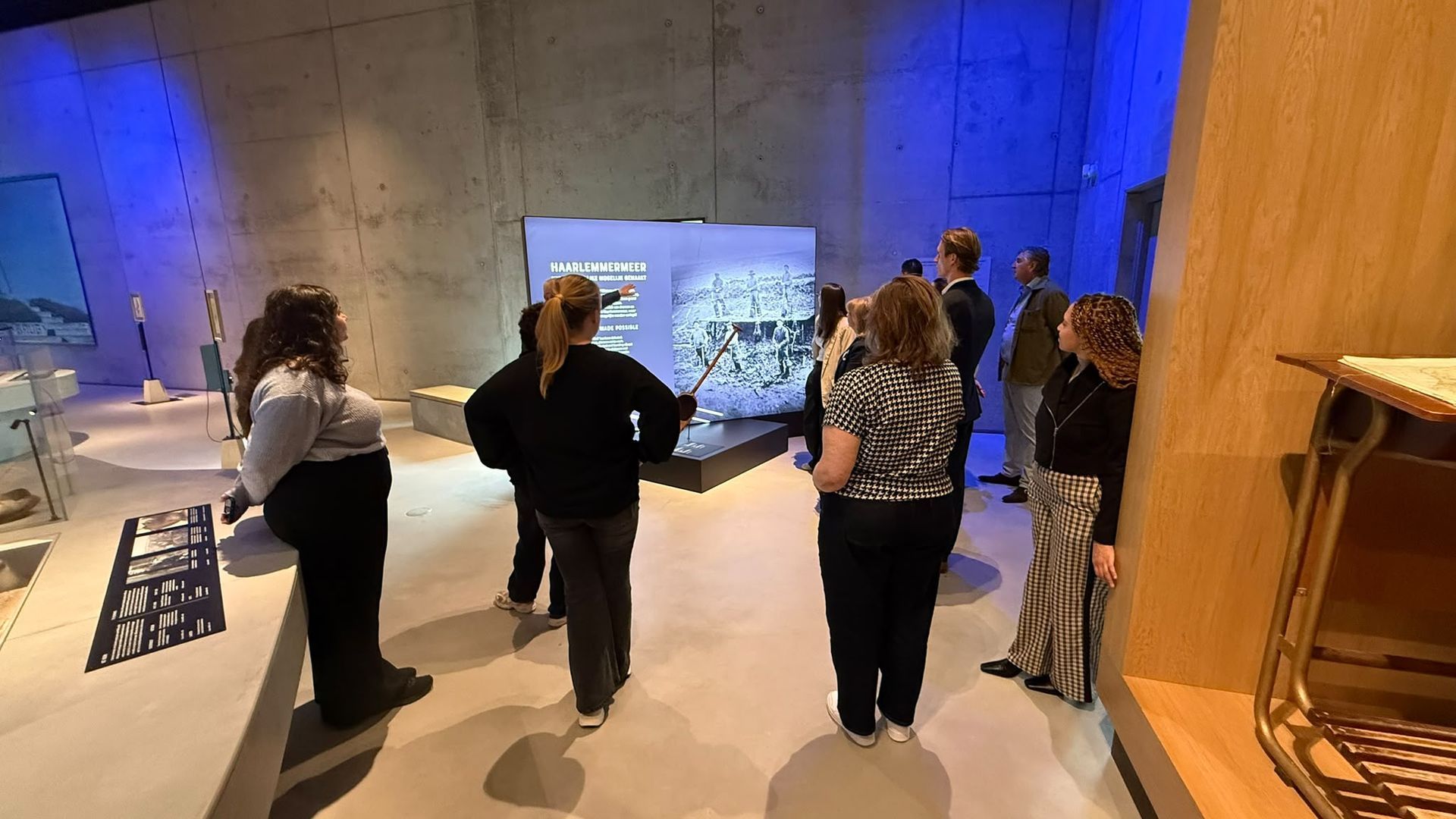
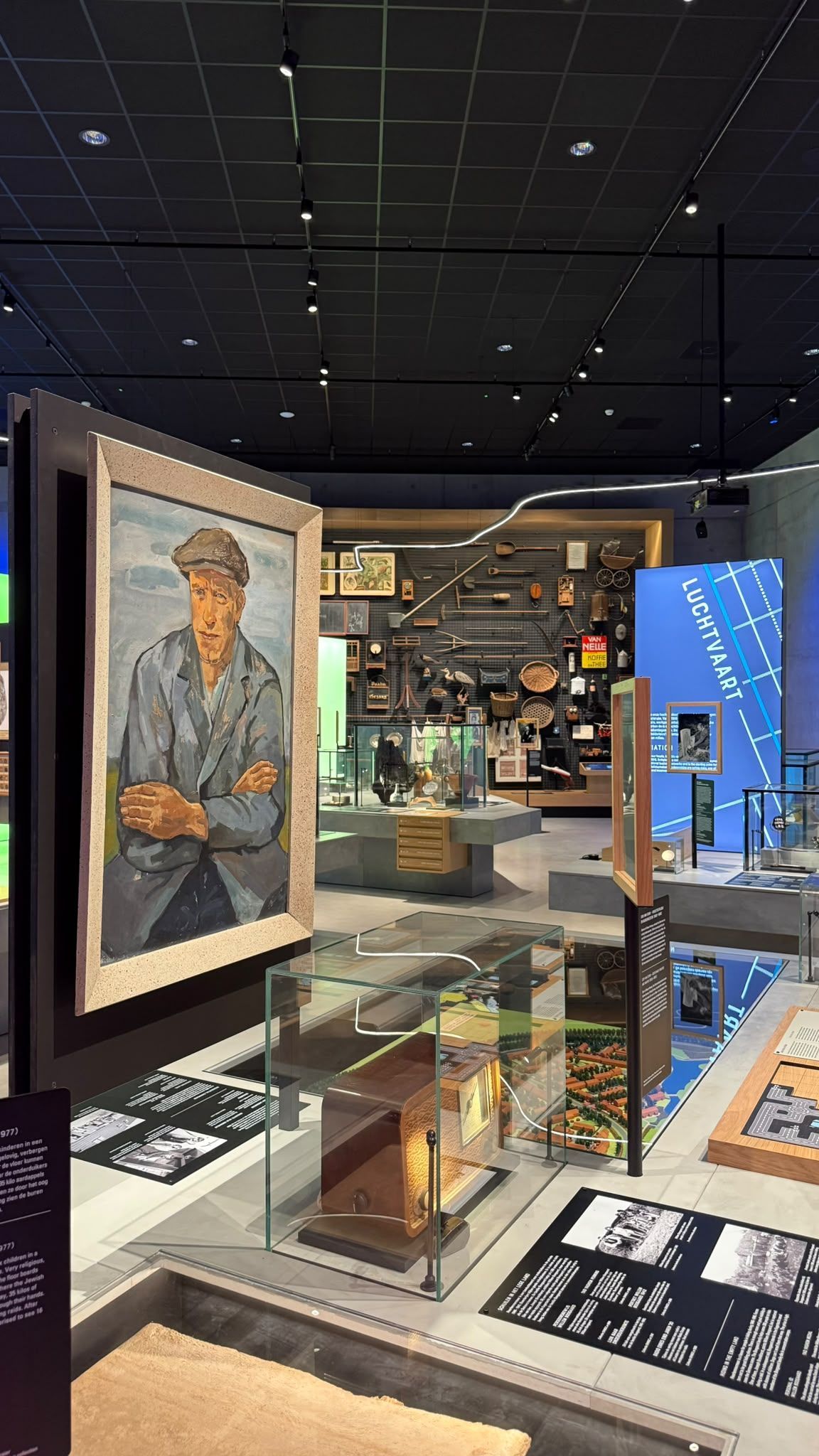
Cruquius Museum tells this story from inside the historic pumping station itself, as well as through the museum pavilion next door, which explores life in Haarlemmermeer after the polder was created — from agriculture and infrastructure to water management and the development of Schiphol.

Sunlight shining through dense green leaves in a forest canopy.

Meet the machine that helped make it happen

The centrepiece of the museum is hard to miss.

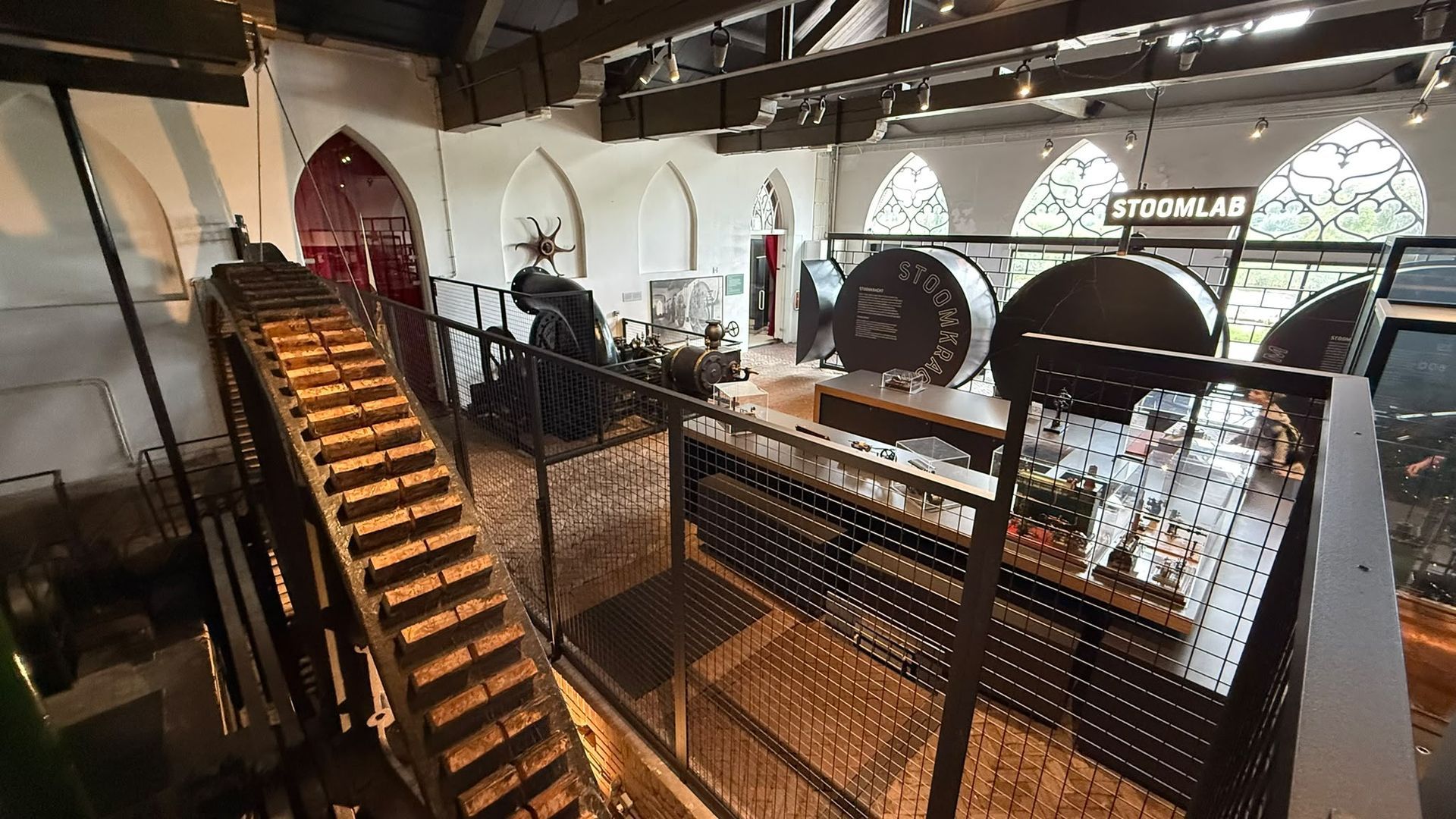
Inside the historic pumping station stands the famous Cornish steam engine from 1849, one of the most remarkable examples of 19th-century steam technology. The museum describes it as the world's largest steam engine.

And this isn't a machine you simply look at from behind glass.

The engine's eight pumps were connected to huge balancing arms and could move enormous amounts of water. The largest cylinder has a diameter of 3.66 metres, while each pump could move around 8,000 litres of water per stroke. Today, the machine can still be demonstrated thanks to a modern hydraulic system.

It is the kind of scale that photographs don't really prepare you for.


A piece of Dutch water-management history

The Cruquius pumping station is more than a museum building. It is a remarkable piece of Dutch industrial heritage and one of the country's important national monuments.

After the pumping station was eventually taken out of service in 1932, the building narrowly escaped demolition. In 1933, it became a museum, preserving the machinery and the story of the Haarlemmermeer for future generations.

Today, the museum connects that history with questions that are still relevant: how do we keep living below sea level, and how will the Netherlands deal with changing water levels and climate conditions in the future?

So yes, it is about history — but perhaps not as distant as it first sounds.

Hands pouring water from a metal thermos into a black cup outdoors. Dopper Water Bottle.

More than just a museum

One of the nicest things about visiting Cruquius is that you don't have to leave immediately after seeing the exhibits.

Right next to the museum is Theehuis Cruquius, a cosy place for coffee, lunch, something sweet or a drink, with views over the Ringvaart and the historic pumping station. There is also a terrace where you can sit outside and enjoy the surroundings.

The menu changes seasonally and includes everything from sandwiches and salads to more substantial dishes and sweet treats. They also offer high tea and other arrangements.

In other words: museum first, lunch afterwards is a pretty good combination.

Turn it into a full afternoon

If you have a little more time, Cruquius is a good starting point rather than the final destination.


Fancy a round of golf?

Golfers can combine a visit to the museum with a round at the Haarlemmermeersche Golfclub.

The club is located in the historic Haarlemmermeer landscape and has a 27-hole course made up of the Cruquius, Leeghwater and Lynden loops — all named after the historic pumping stations that played a role in draining the Haarlemmermeer. There is also a 9-hole par-3 course for those looking for something a little more relaxed.

The Cruquius Course itself takes you through a typically Dutch landscape of meadows, dikes, wetlands and a windmill, with parts of the historic Stelling van Amsterdam appearing around the course.

Non-members are welcome to play, with guest start times available to book.


Or keep it very Dutch: pancakes

Not in the mood for golf? Go for a pancake instead.

Pannenkoeken Paviljoen in Cruquius is another easy addition to your day, serving Dutch pancakes alongside a broader menu. There is seating both indoors and outdoors, making it a particularly easy option if you're travelling with family.


Take a walk through Haarlemmermeerse Bos

If you would rather slow things down, combine your museum visit with a walk around Haarlemmermeerse Bos. It is a nice way to experience the landscape that makes this part of the Netherlands feel different from central Amsterdam — open skies, water, greenery and plenty of space.

It's also a good reminder of what makes the story of Cruquius so interesting: this entire landscape exists because the Dutch decided that a lake could become land.

Getting there from The Florian

One of the reasons we like recommending Cruquius Museum to our guests is simply how easy it is to reach from The Florian.


By public transport:
The journey takes around
27 minutes. You can take bus 300 towards Haarlem and then continue with bus 340, which stops right next to the museum. The museum itself is located directly beside the bus stop, making the final part of the journey particularly easy.

By car:
It is only around
11 minutes by car from The Florian, with free parking available at the museum.

By bike:
If you feel like taking the scenic route, cycling takes around
30 minutes. It's a great option on a dry or sunny day and gives you a better chance to see some of the Haarlemmermeer landscape along the way.

Airplane flying in a blue sky above a cloud, with a person looking up in the foreground.

What else is happening at the museum?

Cruquius Museum regularly hosts activities alongside its permanent exhibitions. Depending on when you visit, you might find guided experiences, Living History, workshops or activities for children.

For example, the museum's Stoomlab lets children explore water, fire and steam while learning how steam engines work, while Living History brings historical characters and stories to life.

So it isn't necessarily the same experience every time you visit.

Before heading out, it's worth checking the museum's current agenda and opening hours.


Practical information

Cruquius Museum Address: Cruquiusdijk 27, 2142 ER Cruquius, The Netherlands


The museum is generally open from Monday to Sunday, with opening hours varying by season. From April to October, it is open from 10:00–17:00 Tuesday to Friday and 11:00–17:00 on weekends, with Monday opening from 13:00–17:00. From November to March, Tuesday to Sunday opening starts at 11:00. The last admission is at 16:30.

For current ticket prices, opening hours and special events, check the official website before visiting.


Why we recommend it

Amsterdam might be famous for its canals, museums and historic streets, but there is another side of the Netherlands just a short journey from The Florian.

At Cruquius, you can see one of the machines that helped create the landscape around us, learn how an entire lake became a polder and understand a little more about why water management is such an important part of Dutch life.


A little history. A little engineering. A little nature. And a very Dutch story.

If you're staying at The Florian and want to discover more of Haarlemmermeer, Cruquius Museum is a great place to start...

All posts

Traveler reclining on airport seats with suitcase, looking at a plane through the terminal window.
By Murillo Florian Hotels August 7, 2026
Discover simple tips to reduce jet lag, adjust to a new time zone faster, and enjoy your trip after arriving in Amsterdam or through Schiphol Airport.
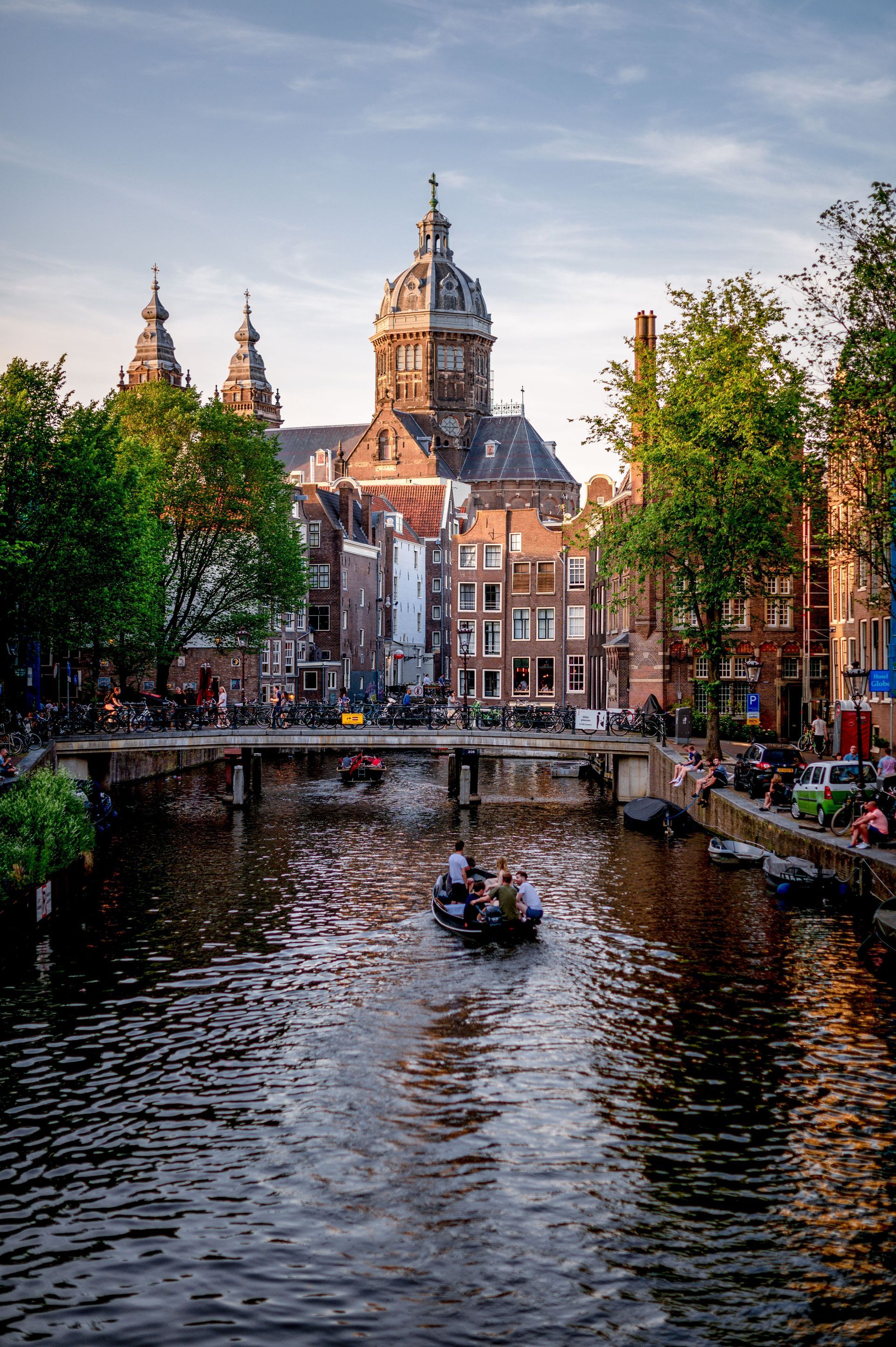
Amsterdam on a budget.
By Murillo Florian Hotels July 22, 2026
Planning a trip to Amsterdam? Discover the best ways to save money on hotels, transport, attractions, restaurants, shopping. Budget-friendly tips for every traveler.
By Murillo Florian Hotels July 7, 2026
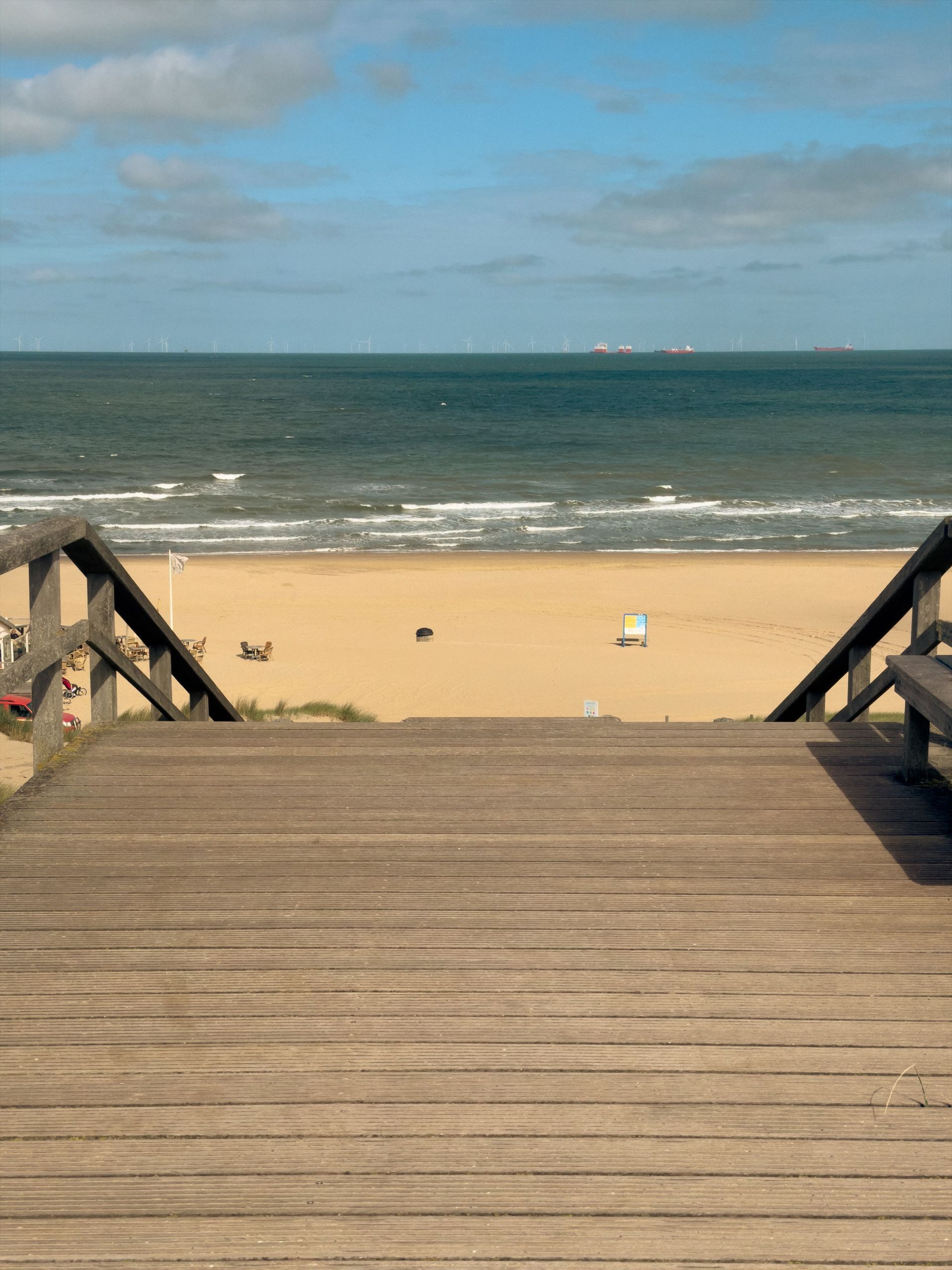
The Netherlands is world-famous for its endless sandy beaches, picturesque dunes, lively beach clubs, and charming coastal towns. One of the greatest advantages of staying at The Florian Hotel in Hoofddorp is its central location. Within just 30 to 60 minutes, you can discover some of the country's most beautiful beaches while enjoying nature, culture, and fantastic dining. Whether you're looking for a relaxing beach day, a scenic cycling route through the dunes, fresh seafood by the sea, or a vibrant boulevard full of cafés and shops, this guide will help you explore the very best of the Dutch coast. From Hoofddorp you can easily visit: Zandvoort aan Zee Noordwijk aan Zee Katwijk aan Zee Scheveningen (The Hague) Bergen aan Zee Bloemendaal aan Zee The Amsterdamse Waterleidingduinen  Whether you're travelling by car, bicycle, or public transport, every destination offers something unique.
By Murillo Florian Hotels June 23, 2026
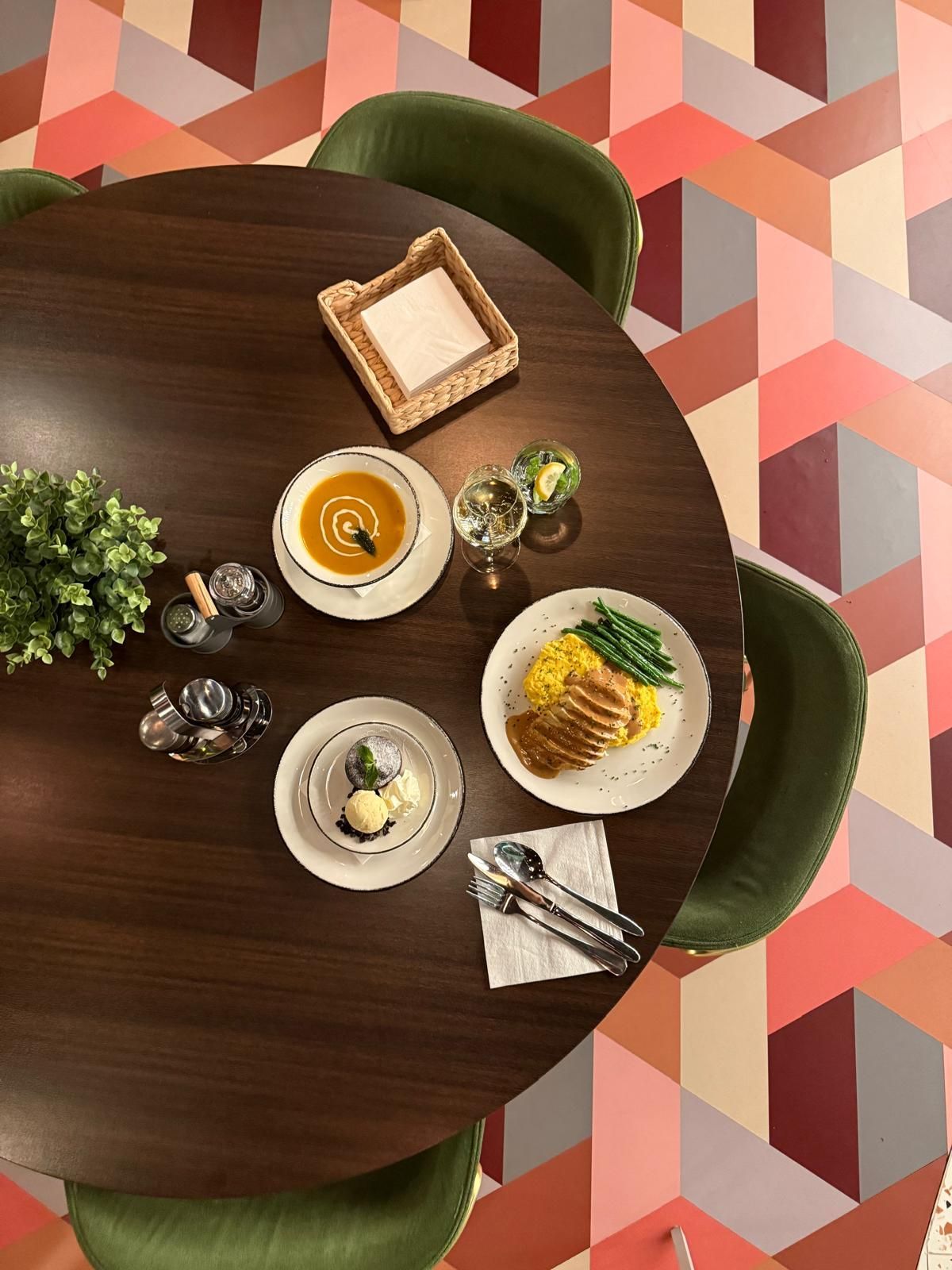
Looking for the best restaurants near Schiphol Airport? Whether you're staying at The Florian Hotel, have a long layover, or are visiting Hoofddorp for business or leisure, you'll find a wide variety of dining options nearby. From authentic sushi and Mexican street food to cozy dining experiences and convenient food delivery, there is something for every taste and budget.